SEOAugust 7, 2026
Optimizing SEO for AI-Driven Content Personalization in 2024
Explore how AI-driven content personalization is reshaping SEO practices in 2024 and learn strategies to optimize your website for enhanced user engagement and search performance.

Understanding AI-Driven Content Personalization
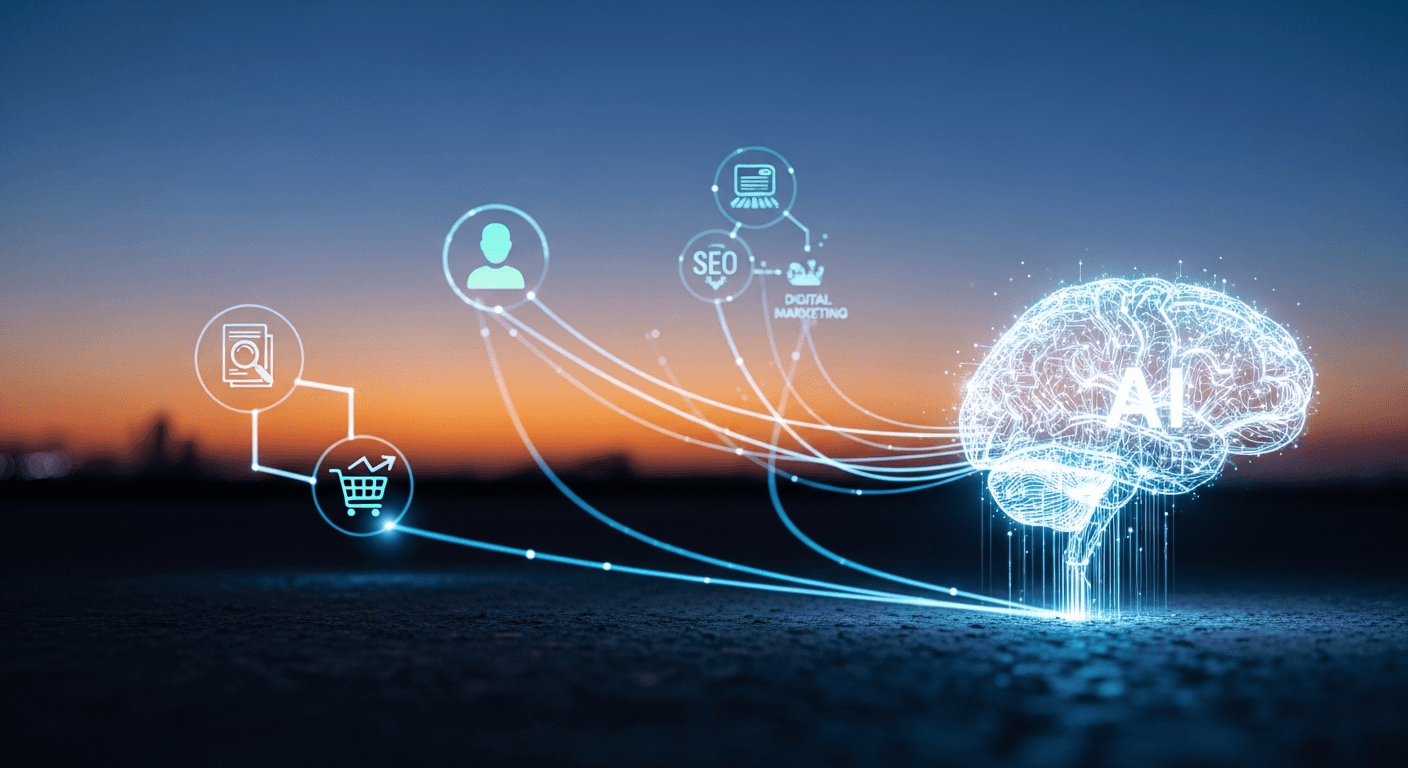
AI-driven content personalization is drastically reshaping the landscape of digital engagement by allowing businesses to cater to individual user preferences through advanced algorithms. This process involves analyzing large amounts of data to deliver customized content that resonates on a personal level with each user. By understanding user behavior, preferences, and historical interactions, AI systems can predict future interests and tailor content accordingly.
At the core of AI-driven personalization is machine learning, which continuously learns from user interactions to improve the accuracy and relevance of the content presented. For instance, streaming services like Netflix use AI to recommend shows and movies based on past viewing habits, while retail giants like Amazon suggest products based on purchase history and browsing patterns. This deep personalization not only enhances the user experience but also fosters a deeper connection between the brand and the consumer.
As we move further into 2024, the importance of leveraging AI for personalization cannot be overstated. Businesses that fail to adopt these technologies may find themselves at a competitive disadvantage. Therefore, understanding and implementing AI-driven personalization strategies is crucial for maintaining customer engagement and driving business success.

The Impact of Personalization on SEO
Personalization significantly influences SEO by aligning content more closely with user intent. Search engines prioritize delivering content that best matches what users are actively seeking. By employing personalization, websites can increase their relevance, thus enhancing their search ranking and visibility. For example, a travel website that personalizes its content based on a user's previous searches and preferences can provide more tailored travel recommendations, leading to higher engagement and satisfaction.
Furthermore, personalized content has been shown to reduce bounce rates and increase the time visitors spend on a site, which are key metrics for SEO. These positive user interactions send strong signals to search engines, indicating that the content is valuable and relevant. Additionally, content that fosters user interaction, such as comments and social sharing, further boosts SEO by increasing content visibility and authority.
Important: Balance is key. While personalization enhances user engagement, it's crucial to maintain a focus on SEO fundamentals to ensure content remains accessible and indexed by search engines.
Strategies for Optimizing Your Website
To successfully optimize your website for AI-driven personalization, start by conducting thorough audience research. Use tools like Google Analytics and social media insights to gather data on user behavior and preferences. This information will be invaluable in tailoring content to meet specific user needs.
Next, implement AI-driven platforms that can automate the process of content delivery. These platforms can analyze data in real-time, allowing for dynamic content adjustments based on user interactions. Machine learning algorithms can predict what content a user might be interested in next, allowing for proactive content recommendations.
- Segment your audience based on data-driven insights to create targeted content.
- Use AI tools like chatbots and recommendation engines to enhance user interaction.
- Continuously monitor and analyze the performance of personalized content to refine strategies.
Additionally, A/B testing can be instrumental in understanding what types of personalization work best for your audience. By testing different content variations, you can determine which personalized elements most effectively increase engagement and conversions.
Tools and Technologies Enhancing Personalization
Several cutting-edge tools and technologies are at the forefront of enhancing AI-driven content personalization. Machine learning frameworks such as TensorFlow and PyTorch provide robust capabilities for developing personalized algorithms. These platforms are designed to handle vast datasets, which is essential for accurate and effective personalization efforts.
Content management systems like WordPress have started integrating AI plugins that support personalization. These plugins allow for seamless content delivery, user segmentation, and data analysis, making it easier for content creators to provide personalized experiences without extensive technical expertise.
Tip: When selecting AI tools, ensure they integrate well with your existing systems to streamline processes and enhance personalization efficiency.
Moreover, companies are increasingly utilizing AI-powered chatbots and virtual assistants to provide personalized customer service. These tools can handle inquiries in a personalized manner, providing users with immediate assistance tailored to their specific needs and history with the brand.
Future Trends in AI and SEO Personalization
The future of AI-driven personalization in SEO is marked by several exciting trends. As AI technologies evolve, personalization will become more granular, focusing on micro-moments and real-time user contexts. This means businesses will need to be more agile, adapting quickly to new data and opportunities to remain competitive.
Voice search and visual search are also poised to play significant roles in personalization. With AI systems increasingly capable of understanding natural language and processing image-based queries, businesses can offer highly personalized content based on the specific contexts of user searches. This trend will likely lead to the development of new SEO strategies that prioritize these types of search interactions.
The integration of AI into SEO personalization is not merely a trend, but a fundamental shift in how digital marketing approaches are structured.
Additionally, AI's role in predictive analytics will grow, allowing businesses to anticipate user needs and behaviors with greater accuracy. This foresight will enable more proactive content personalization, ultimately improving user satisfaction and loyalty.