SEOJune 21, 2026
Optimizing SEO for Immersive Experiences: Strategies for the Future
Explore innovative SEO strategies tailored for immersive technologies, enhancing user engagement and search visibility in a rapidly evolving digital landscape.
Understanding Immersive Technologies and Their Impact on SEO
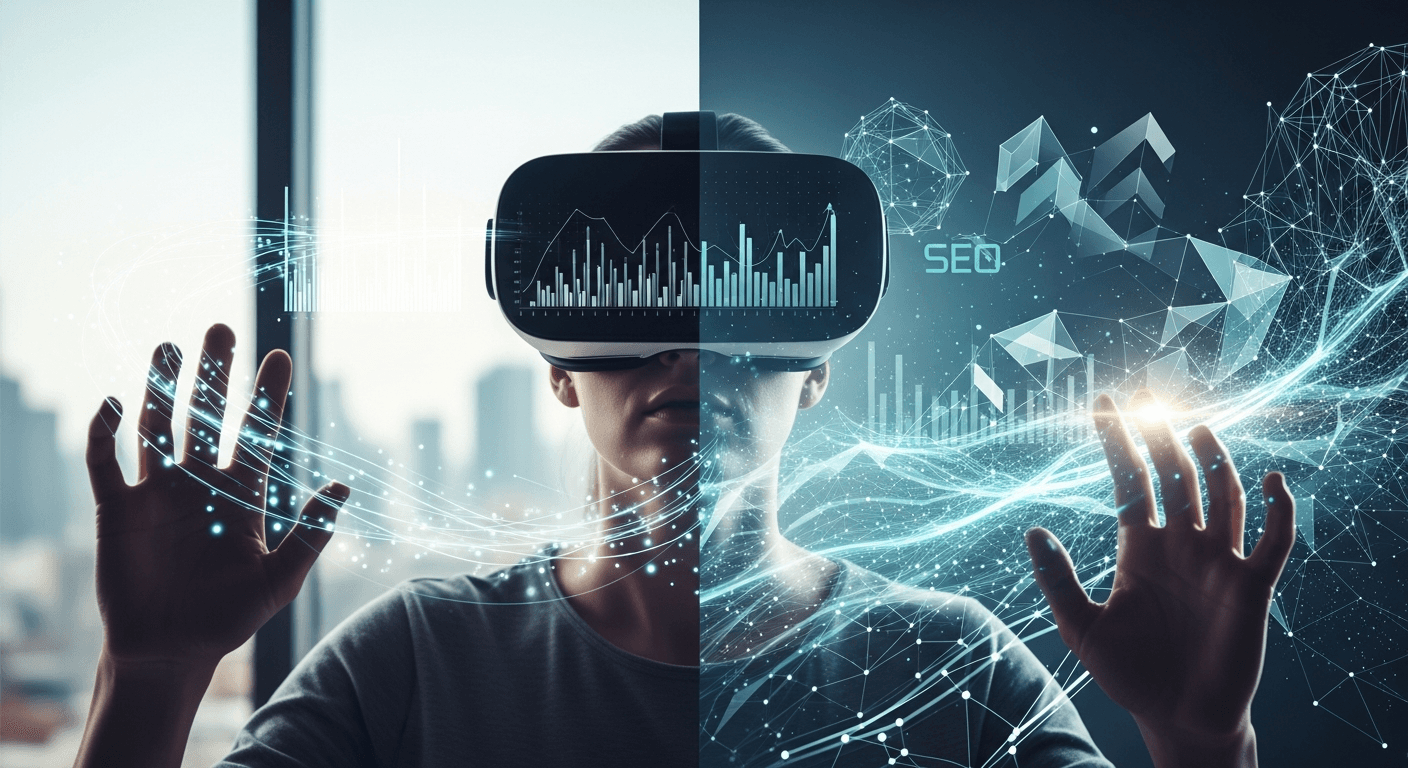
Immersive technologies such as Virtual Reality (VR) and Augmented Reality (AR) are transforming how users interact with digital content. As these technologies evolve, they present new opportunities and challenges for SEO. Unlike traditional web content, immersive experiences require a different approach to optimization, focusing on user interaction and engagement rather than just keywords and backlinks. SEO for immersive technologies must account for how search engines interpret and rank 3D environments, spatial data, and interactive elements.
The impact of immersive technologies on SEO is significant. With the rise of VR and AR, search engines will increasingly prioritize content that offers engaging, interactive experiences. This shift means that businesses must adapt their SEO strategies to include elements specific to these technologies, such as optimizing for voice search and ensuring compatibility across different VR and AR platforms.
As immersive technologies continue to integrate into mainstream media consumption, understanding their impact on SEO becomes crucial for businesses aiming to maintain a competitive edge. This involves not only technical optimization but also content strategy adjustments to cater to the unique demands of virtual and augmented environments.

Crafting SEO Strategies for Virtual and Augmented Reality Platforms
Developing SEO strategies for VR and AR platforms requires a nuanced approach. Unlike traditional websites, VR and AR platforms offer a more dynamic and interactive user experience, which means that SEO tactics must evolve to include these new dimensions. One effective strategy is to focus on optimizing content for voice search, as users often interact with immersive environments through voice commands.
Another critical aspect of SEO for VR and AR is ensuring that content is accessible and functional across various devices and platforms. This includes optimizing load times for 3D models and ensuring that interactive elements are intuitive and enhance the user experience. Metadata and schema markup can be used to help search engines understand and rank immersive content effectively.
- Optimize for voice search and natural language processing.
- Ensure cross-platform compatibility and functionality.
- Utilize metadata and schema markup for immersive content.
Enhancing User Experience through Immersive Content Optimization
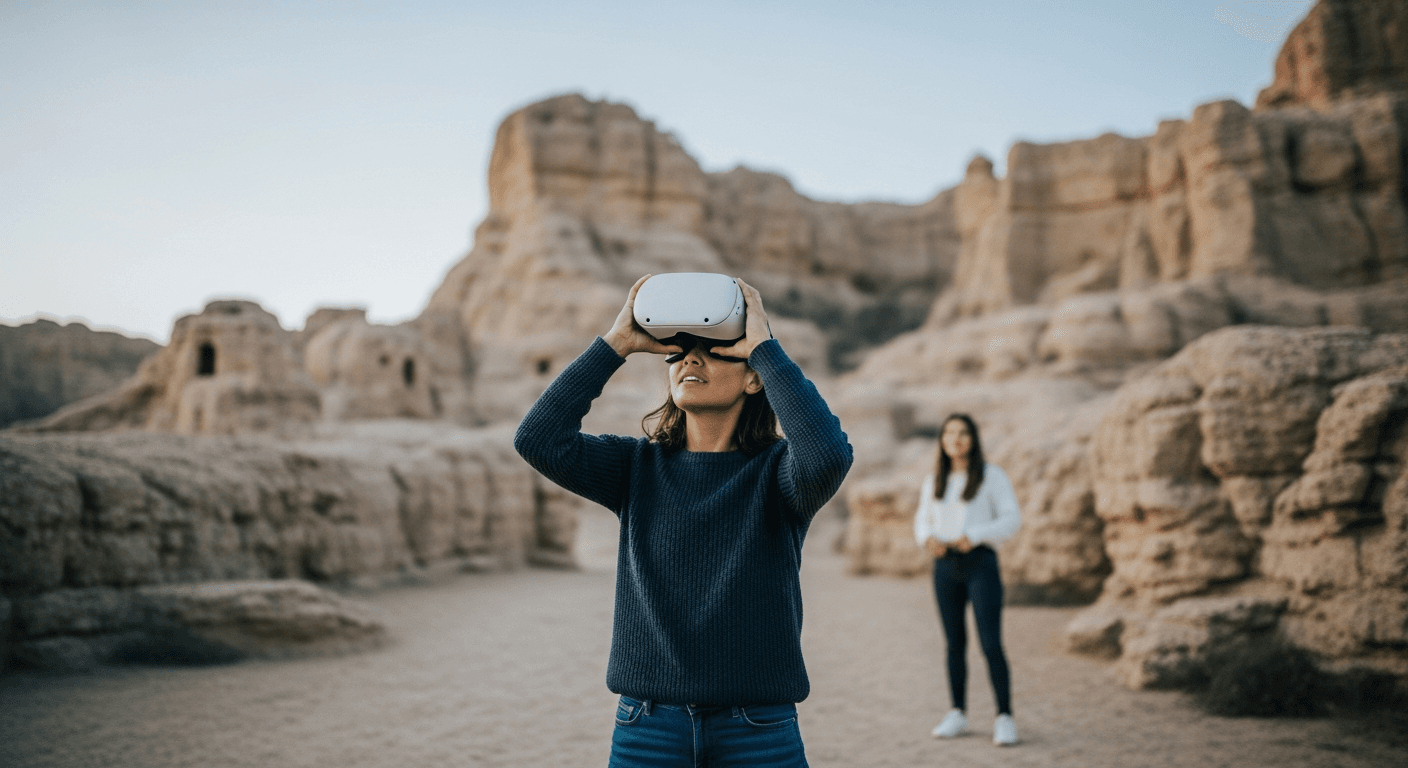
User experience is at the heart of SEO, and this is especially true for immersive content. Optimizing user experience in VR and AR environments involves creating intuitive, engaging, and accessible experiences that captivate users and encourage interaction. This can be achieved by designing seamless navigation paths, integrating sensory feedback, and ensuring content is relevant and informative.
In addition to design considerations, technical optimization plays a crucial role in enhancing user experience. This includes optimizing load times, ensuring high-quality graphics, and providing responsive interactions. By focusing on these elements, businesses can ensure that their immersive content not only meets but exceeds user expectations, thereby improving engagement and search rankings.
Focus on creating intuitive and engaging immersive experiences to boost user interaction and satisfaction.
Leveraging Interactive Elements for Improved Search Rankings
Interactive elements are a cornerstone of immersive experiences and can significantly impact search rankings. By integrating interactive features such as 3D models, animations, and interactive storytelling, businesses can enhance user engagement and dwell time, both of which are critical factors in search engine algorithms.
Moreover, interactive elements can also facilitate greater social sharing and link building, as users are more likely to share engaging, memorable experiences with their networks. This can lead to increased visibility and improved search rankings over time.
- Incorporate 3D models and animations to increase engagement.
- Use interactive storytelling to capture user attention.
- Enhance social sharing through engaging content.
Interactive content is the future of SEO, as it not only engages users but also provides search engines with valuable engagement metrics.
Future Trends: Preparing for an Immersive SEO World
As immersive technologies become more prevalent, the future of SEO will be shaped by these innovations. Businesses must prepare for a more interactive and user-centered approach to SEO, where the focus is on creating meaningful and engaging experiences. This involves staying up-to-date with technological advancements and continuously adapting SEO strategies to incorporate new trends and best practices.
One trend that is likely to gain traction is the use of AI and machine learning to create personalized immersive experiences. These technologies can help analyze user data to deliver customized content, enhancing user satisfaction and engagement. Additionally, as the line between digital and physical worlds blurs, businesses will need to adopt a holistic approach to SEO that integrates both online and offline experiences.
Stay ahead of the curve by embracing emerging technologies and continuously refining your SEO strategies to adapt to the evolving digital landscape.