SEOJune 22, 2026
Harnessing Predictive Analytics for Cutting-Edge SEO Strategies in 2024
Discover how predictive analytics is revolutionizing SEO strategies by anticipating trends, optimizing content, and enhancing user experience for improved rankings in 2024.

Understanding Predictive Analytics in SEO
Predictive analytics in SEO involves the use of data, statistical algorithms, and machine learning techniques to identify the likelihood of future outcomes based on historical data. This approach allows marketers to anticipate changes in search engine algorithms and user behavior, enabling them to adjust their strategies proactively. In 2024, leveraging predictive analytics has become essential for staying ahead in the competitive SEO landscape.
SEO professionals are increasingly relying on predictive analytics to forecast trends, optimize content, and enhance website performance. By analyzing large datasets, these tools provide valuable insights that help in making informed decisions about keyword targeting, content creation, and link-building strategies. As search engines evolve, the ability to predict shifts in ranking factors becomes crucial for maintaining visibility and improving search rankings.
Predictive analytics not only aids in planning for future SEO strategies but also in understanding the impact of various changes in the digital landscape. It helps in recognizing which factors are likely to influence rankings the most, allowing businesses to allocate resources efficiently. This foresight is particularly important when dealing with updates from major search engines like Google, which can significantly affect organic traffic.

The Role of Data in Predictive SEO
Data is the cornerstone of predictive SEO. It provides the raw material needed to train algorithms that can predict future outcomes. By collecting and analyzing data from various sources such as web analytics, social media, and search engine results, SEO professionals can gain insights into user behavior, preferences, and trends.
The integration of big data with SEO strategies allows for a more nuanced understanding of market dynamics. This data-driven approach enables businesses to personalize user experiences, optimize content for specific audiences, and identify emerging market opportunities. With the right data, predictive analytics can transform SEO from a reactive to a proactive practice.
- Collect data from diverse sources
- Analyze user behavior trends
- Identify keyword opportunities
A key aspect of leveraging data for predictive SEO is the ability to discern patterns that may not be immediately apparent. Advanced analytical tools can process vast amounts of information quickly, revealing insights that can drive more effective SEO strategies. As a result, businesses can stay ahead of competitors by implementing changes before they become widely adopted.
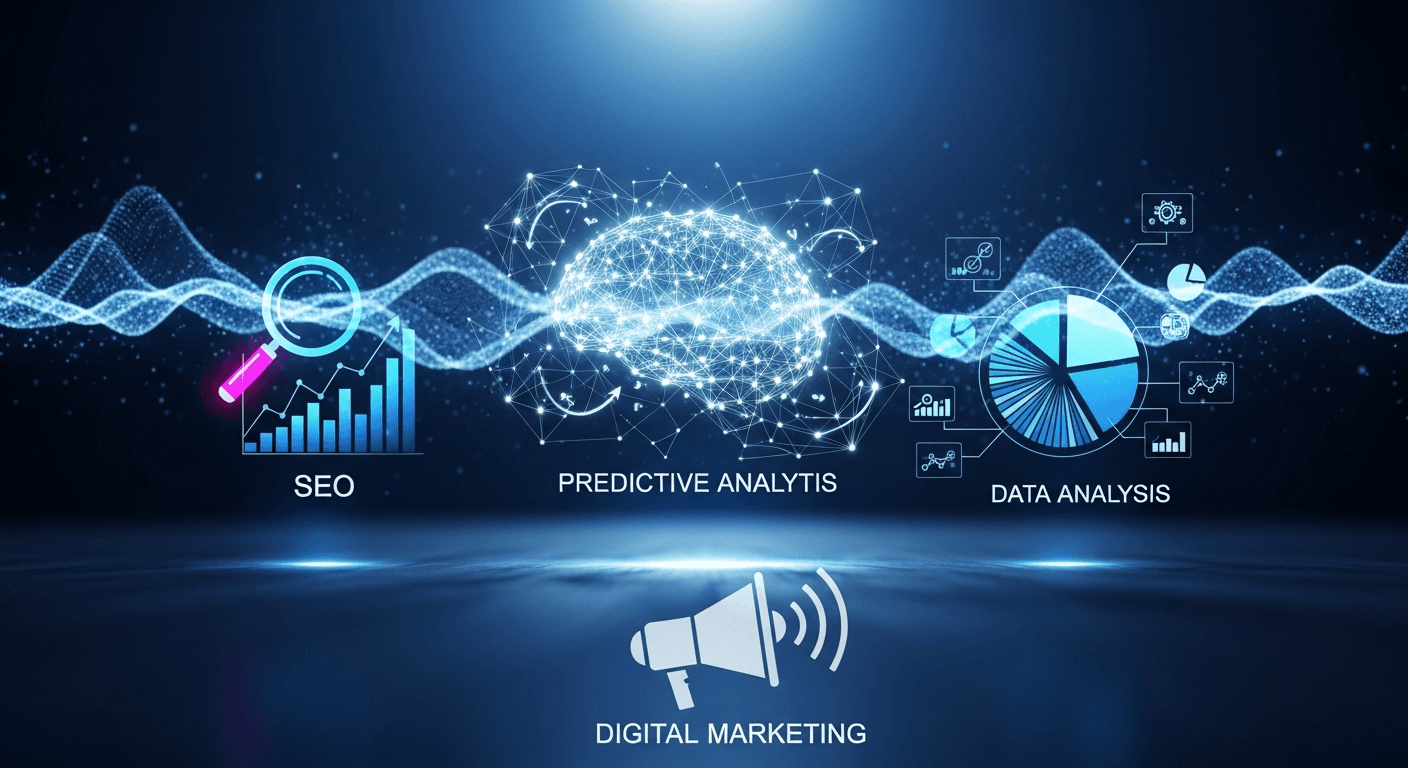
Implementing Predictive Tools for Content Optimization
Predictive tools play a pivotal role in content optimization. By using algorithms to analyze current content performance and predict future outcomes, these tools help marketers create content that resonates with their target audience. This involves not only selecting the right keywords but also optimizing for user intent and engagement.
Content optimization using predictive analytics involves understanding which topics are likely to trend and which keywords will drive traffic. This foresight allows content creators to tailor their material to meet the demands of the market, ensuring that their content remains relevant and valuable over time. As a result, businesses can improve their search engine rankings and increase their visibility online.
Tip: Use predictive analytics to identify content gaps and capitalize on untapped keyword opportunities.
In addition to keyword optimization, predictive tools can also help with content formatting and structure. By analyzing user engagement metrics, these tools can suggest improvements to content layout, enhancing readability and user experience. This holistic approach to content optimization ensures that every aspect of the content is aligned with user preferences and search engine requirements.
Enhancing User Experience through Predictive Insights
User experience (UX) is a critical factor in SEO performance, and predictive analytics can play a significant role in enhancing it. By analyzing user interaction data, businesses can predict which elements of a website are likely to improve or detract from the user experience. These insights allow for targeted improvements that can lead to higher engagement and conversion rates.
Predictive insights can help identify potential UX issues before they become problematic. For instance, if data shows that users consistently drop off at a certain point in the conversion funnel, businesses can proactively address these barriers. This not only improves user satisfaction but also boosts SEO performance by reducing bounce rates and increasing time on site.
- Optimize site navigation
- Improve page load times
- Enhance mobile responsiveness
In 2024, user experience is more important than ever, with search engines increasingly prioritizing UX-related metrics in their ranking algorithms. Businesses that leverage predictive analytics to enhance UX will be well-positioned to achieve higher search rankings and build stronger customer relationships.
Future Trends: Predictive Analytics and SEO in 2024
As we look to the future, predictive analytics is set to become an indispensable part of SEO strategy. With advancements in artificial intelligence and machine learning, predictive tools are becoming more sophisticated, offering deeper insights and more accurate forecasts. These developments will enable businesses to stay ahead of the curve in an ever-evolving digital landscape.
One of the key trends in 2024 is the integration of voice search data into predictive analytics. As more users turn to voice-enabled devices to search for information, understanding how voice queries differ from text-based searches will be crucial. Predictive tools can help businesses optimize their content for voice search, ensuring they remain visible to this growing audience.
Note: The use of AI-driven predictive analytics can provide a competitive edge in understanding complex user behaviors.
Another trend is the increasing importance of real-time data in predictive analytics. As search engines place greater emphasis on fresh and relevant content, the ability to analyze data in real-time will be a key differentiator for SEO success. Businesses that can quickly adapt their strategies based on real-time insights will have a significant advantage in capturing and retaining audience attention.
Successful SEO in the future will rely heavily on the ability to predict user behavior and adapt accordingly.