SEOJune 28, 2026
Redefining Local SEO with Augmented Reality Technology in 2024
Discover how augmented reality is transforming local SEO strategies in 2024, enabling businesses to create immersive customer experiences that drive engagement and boost local search visibility.

Introduction to Augmented Reality in SEO
As technology evolves, the intersection of local SEO and augmented reality (AR) presents new opportunities for businesses to enhance their visibility. In 2024, AR is not just a futuristic concept but an integral part of the digital marketing landscape. By overlaying digital information onto the physical world, AR is redefining how consumers interact with brands and how businesses can optimize their local SEO strategies.
This shift towards AR in local SEO is driven by advancements in mobile technology, increased internet speeds, and the proliferation of AR-compatible devices. These factors enable marketers to create engaging, real-time experiences that can significantly enhance a brand's presence in local search results. The integration of AR into local SEO strategies can lead to improved user engagement, higher conversion rates, and ultimately, a better return on investment.
Understanding how to leverage AR effectively in local SEO requires a comprehensive approach that considers the unique characteristics of AR technology. From creating AR content that resonates with local audiences to optimizing it for search engines, businesses need to adapt to this emerging trend to stay competitive in an increasingly digital world.
The Impact of AR on Local Search Visibility
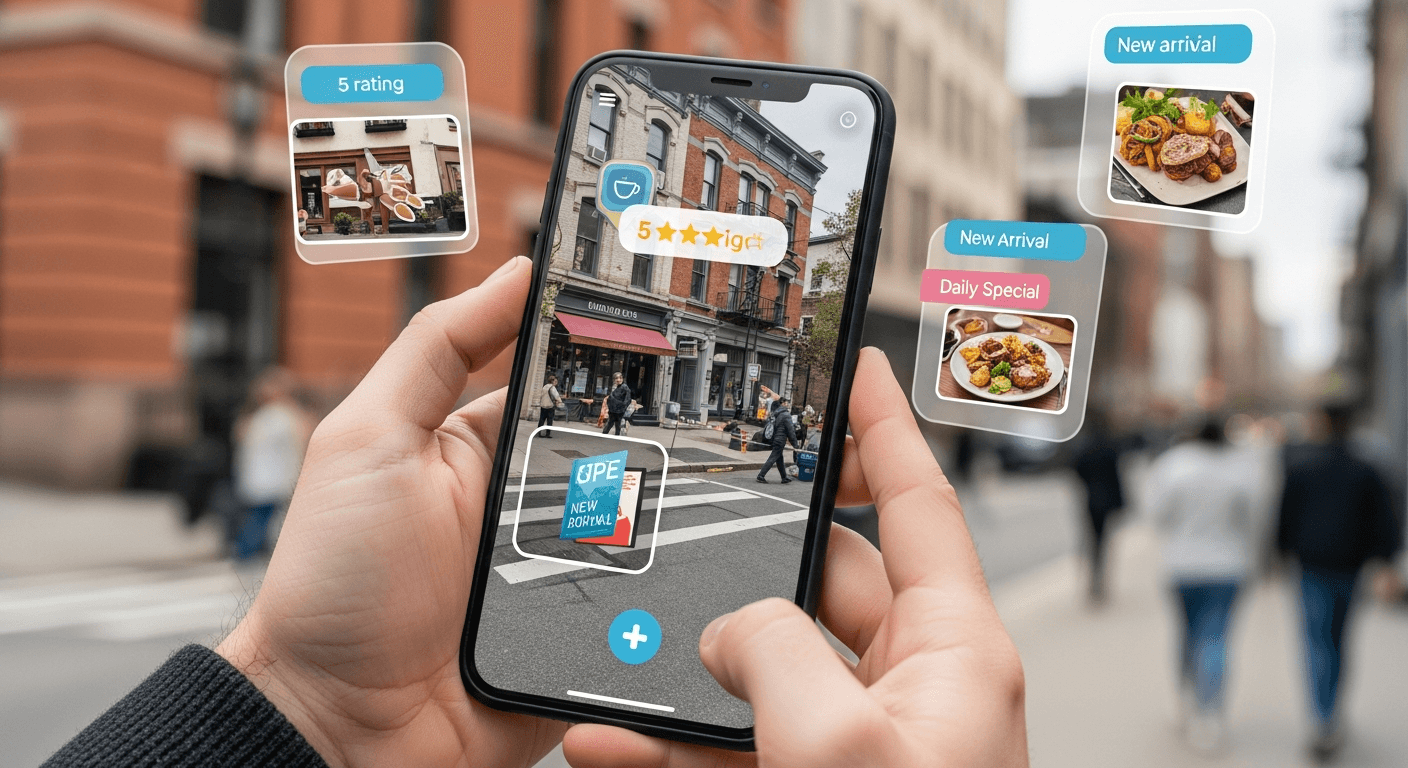
Augmented reality enhances local search visibility by offering users an immersive experience that goes beyond traditional search results. By integrating AR features into their strategies, businesses can provide potential customers with interactive and engaging content that is directly relevant to their search queries. This capability not only increases the likelihood of attracting and retaining customers but also distinguishes a brand in a crowded marketplace.
AR can be particularly beneficial for local businesses such as restaurants, retail stores, and service providers. For instance, a restaurant could use AR to allow customers to view a 3D model of their meals or explore the ambiance of the dining area. Similarly, a retail store might use AR to enable customers to visualize how products would look in their homes, enhancing the shopping experience and increasing the probability of a purchase.
- Enhanced user engagement
- Improved brand differentiation
- Increased conversion rates
By embedding AR elements into local search listings, businesses can improve their search engine rankings. Search engines prioritize listings that provide value to users, and AR's ability to create rich, interactive content can significantly boost a listing's relevance and authority.

Creating Immersive Customer Experiences with AR
Immersive experiences are at the core of augmented reality's appeal. By offering users the ability to interact with digital content in a real-world context, businesses can create memorable experiences that drive customer engagement and loyalty. This is particularly important for local businesses looking to build long-term relationships with their community.
AR technology allows customers to engage with products and services in unique ways. For example, a furniture store can offer an AR app that enables users to visualize how a piece of furniture would fit into their space, adjusting for dimensions and decor. This not only helps customers make informed purchasing decisions but also increases their satisfaction with the product.
Tip: Use AR to provide virtual tours of your business location, showcasing key features and promotions to attract potential customers.
Beyond product visualization, AR can be used to gamify the customer experience. By creating AR-based games or challenges related to their products, businesses can increase user interaction and create buzz around their brand. This gamified approach not only attracts new customers but also encourages repeat visits, fostering a sense of community and engagement.
Integrating AR into Your Local SEO Strategy
Integrating AR into a local SEO strategy requires careful planning and execution. The first step is to identify the AR tools and platforms that align with your business goals. From mobile apps to web-based AR experiences, choose a platform that matches your target audience's preferences and technological capabilities.
Once you have selected the appropriate tools, focus on creating high-quality AR content that enhances the user experience. This involves designing interactive elements that are not only visually appealing but also provide valuable information to the user. Collaborate with AR developers and designers to ensure your content is optimized for both user engagement and search engine algorithms.
- Select the right AR platform
- Create engaging AR content
- Optimize for SEO and user experience
To maximize the impact of AR on your local SEO, ensure that your AR experiences are easily accessible from search listings and your website. Use structured data and schema markup to enhance your listings with AR content, making it easier for search engines to understand and index your offerings.
Future Trends: How AR Will Shape Local SEO Beyond 2024
As AR technology continues to evolve, its influence on local SEO will grow even more pronounced. Future trends suggest that AR will become increasingly integrated with other emerging technologies such as artificial intelligence (AI) and the Internet of Things (IoT), creating a more interconnected and personalized user experience.
In the coming years, we can expect AR to play a crucial role in the development of smart cities, where local businesses leverage AR to provide real-time information and services to residents and tourists alike. This could include everything from interactive city maps to personalized shopping experiences based on user preferences and behavior.
The synergy between AR and local SEO will redefine how businesses connect with their communities, creating opportunities for more meaningful interactions and engagement.
Looking beyond 2024, businesses that embrace AR early will be well-positioned to capitalize on these trends, gaining a competitive edge in their local markets. By staying ahead of technological advancements and continuously adapting their strategies, they can ensure sustainable growth and success in the digital age.