SEOJune 24, 2026
Optimizing SEO for the Era of Wearable Technology: Strategies for Success
Explore cutting-edge SEO strategies tailored for the rise of wearable technology, ensuring your brand stays visible and competitive in this evolving digital landscape.

Understanding the Impact of Wearable Technology on SEO
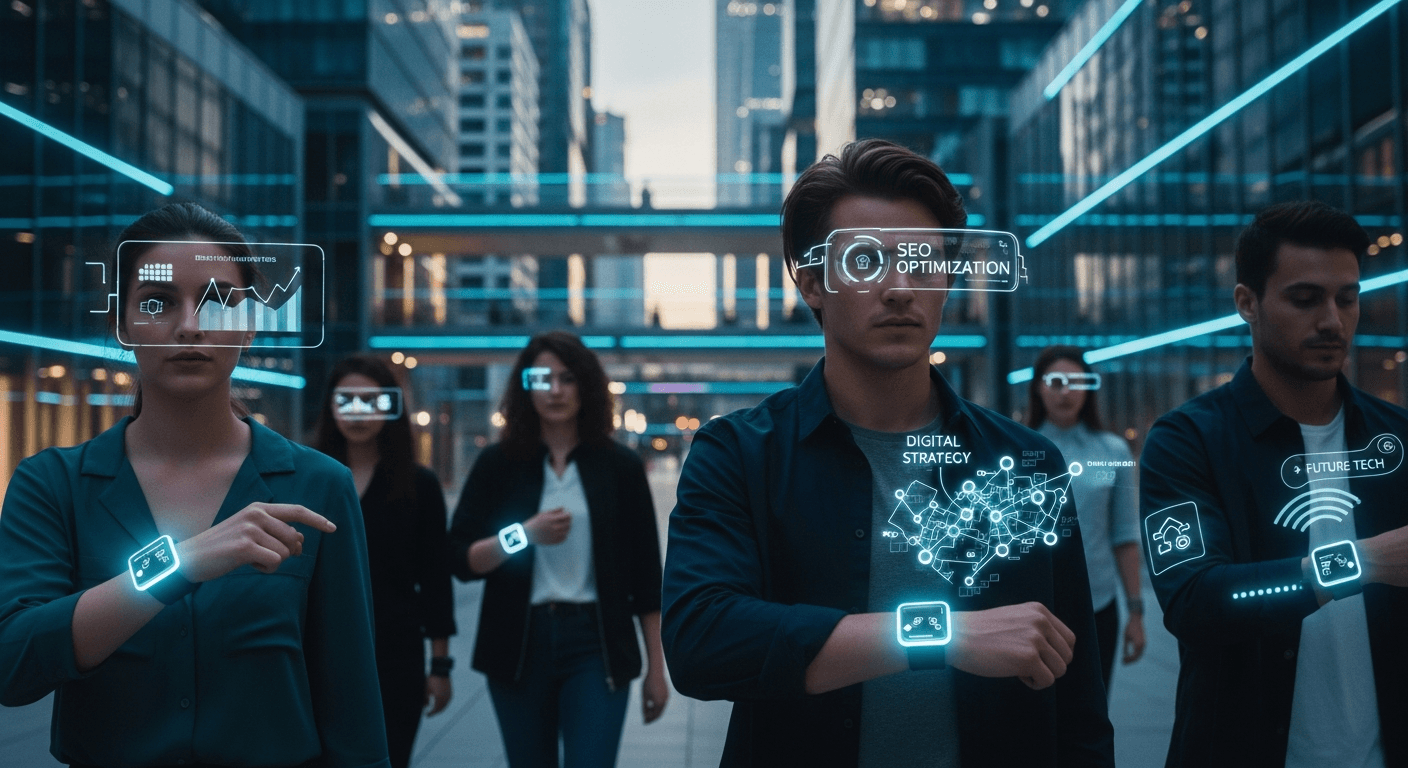
Wearable technology, which includes devices such as smartwatches, fitness trackers, and augmented reality glasses, is rapidly transforming how users interact with digital content. As these devices become more prevalent, they introduce new paradigms for search behavior, necessitating a shift in SEO strategies. Wearables are often used for quick information retrieval, voice search, and location-based services, all of which impact traditional SEO approaches. Understanding these dynamics is crucial for businesses looking to maintain competitive advantages in search visibility.
One significant impact of wearables on SEO is the shift toward more conversational search queries, as many users rely on voice commands rather than typed queries. This change emphasizes the need for content that is optimized for natural language processing and long-tail keywords. Additionally, the rise of wearables has made real-time, localized content more important than ever, as users often seek immediate, contextually relevant information. For instance, a user might ask their smartwatch, 'Where's the nearest coffee shop?' rather than typing it into a search engine, highlighting the need for businesses to be primed for local and voice searches.
- Emphasize natural language and long-tail keywords
- Focus on local SEO and real-time information
- Optimize for voice search capabilities
Furthermore, the integration of fitness trackers and health-related wearables into daily life provides data that can be used to tailor experiences and content offerings. SEO strategies must therefore evolve to consider how these devices are used and how they can be leveraged to better understand and engage audiences. This includes recognizing the potential of wearables in providing hyper-personalized experiences based on the data they collect, creating opportunities for targeted content delivery.

Adapting Content Strategies for Wearable Devices
To effectively engage users on wearable devices, content must be concise, relevant, and easily digestible. The screen size and user interaction with wearables demand that information be presented in a streamlined manner. This means prioritizing mobile-friendly designs and ensuring that web pages load quickly and efficiently. Furthermore, content should be structured to accommodate the brief interactions typical of wearable device usage. For example, a fitness app might push short, motivational messages or quick daily tips to users via their smartwatch, rather than lengthy articles.
In addition, integrating voice search optimization into your content strategy is essential. Wearable devices often rely on voice commands, which means your content should be prepared to answer questions directly and succinctly. Structured data markup can be particularly useful in this regard, helping search engines understand and present your content effectively. Utilizing FAQ pages and including direct answers to potential user queries can improve your chances of being featured in voice search results.
Important Tip: Always test your website's performance on multiple wearable devices to ensure optimal user experiences. This includes checking loading times, content readability, and interactive elements.
Moreover, consider the context in which wearables are used. Users typically interact with these devices while on the move, meaning content needs to be accessible and actionable with minimal effort. Developing a seamless cross-device experience is key, ensuring that users who begin their interaction on a wearable can easily transition to a smartphone or desktop for more in-depth engagement.
Enhancing Local SEO for Wearable Tech Users
Local SEO becomes increasingly critical as wearable technology continues to grow. Wearable devices are inherently mobile and often used to find immediate, location-based solutions. As such, businesses must ensure their online presence is optimized for local search. This involves claiming and updating business listings, optimizing for local keywords, and actively managing customer reviews and ratings. For instance, integrating geofencing technology can alert potential customers to your business's presence when they are nearby, directly through their wearable devices.
Moreover, implementing local business schema and ensuring accurate NAP (Name, Address, Phone Number) information across all platforms can significantly enhance your visibility in local search results. Wearables often use this data to provide users with the most relevant local options, making accuracy and consistency vital. It's also beneficial to encourage satisfied customers to leave positive reviews on platforms like Google My Business, as these can influence local search rankings and user trust.
- Claim and update local business listings
- Optimize for location-specific keywords
- Ensure consistent NAP information
Creating location-based content can further enhance your local SEO efforts. Blog posts, social media updates, and event announcements that highlight your involvement in the local community can improve visibility and engagement. Additionally, consider using local language and cultural references to better connect with regional audiences, making your content more relatable and compelling.
Leveraging Data from Wearables for Improved SEO Insights
Wearable technology provides a wealth of data that can be harnessed to refine SEO strategies. User behavior insights from wearables, such as time spent on content, interaction preferences, and location data, can offer valuable feedback on what resonates with your audience. This data can inform content creation, keyword strategy, and personalization efforts. For example, if data shows users frequently check their wearables for weather updates in the morning, businesses can time their content releases to align with these high-engagement periods.
Analytics from wearable data can also reveal trends and patterns that were previously difficult to capture. By analyzing this information, businesses can better understand the context in which users interact with their content, allowing for more targeted and effective SEO campaigns. For instance, a health app might use data on peak activity times to target users with fitness-related tips and product promotions, thereby increasing user engagement and conversion rates.
Note: Ensure compliance with data privacy regulations when collecting and analyzing wearable data to maintain user trust. Transparency in how data is used can enhance user loyalty.
Furthermore, wearable data can enhance customer segmentation, allowing for highly personalized marketing approaches. By understanding individual user patterns, businesses can tailor their outreach and content strategies to meet specific needs and preferences, fostering greater customer satisfaction and retention.
Future Trends: Preparing for the Next Wave of Wearable Technology
As wearable technology continues to evolve, so too will the strategies needed to optimize SEO effectively. Future developments in areas like augmented reality and AI integration could further change how users access information and interact with content. Staying ahead of these trends will require continuous adaptation and innovation in SEO practices. For example, businesses could explore content opportunities within augmented reality experiences, offering interactive and immersive brand engagements directly through wearable devices.
Businesses should prepare for these changes by investing in cutting-edge technologies and staying informed about the latest advancements in wearable tech. Collaborating with technology developers and engaging in industry forums can also provide valuable insights into future directions and opportunities. Additionally, fostering a culture of innovation and flexibility within your marketing team will be crucial to navigating the shifts that wearable technologies introduce.
The future of SEO in the realm of wearable technology is not just about optimizing for devices, but about creating seamless, intuitive experiences that align with the user's lifestyle.
In conclusion, the integration of wearable technology into daily life offers both challenges and opportunities for SEO. By understanding the unique characteristics of wearables and adapting strategies accordingly, businesses can enhance their online visibility and better meet the needs of their audiences. As technology continues to advance, staying agile and proactive in leveraging these tools will be essential for long-term success in the digital landscape.